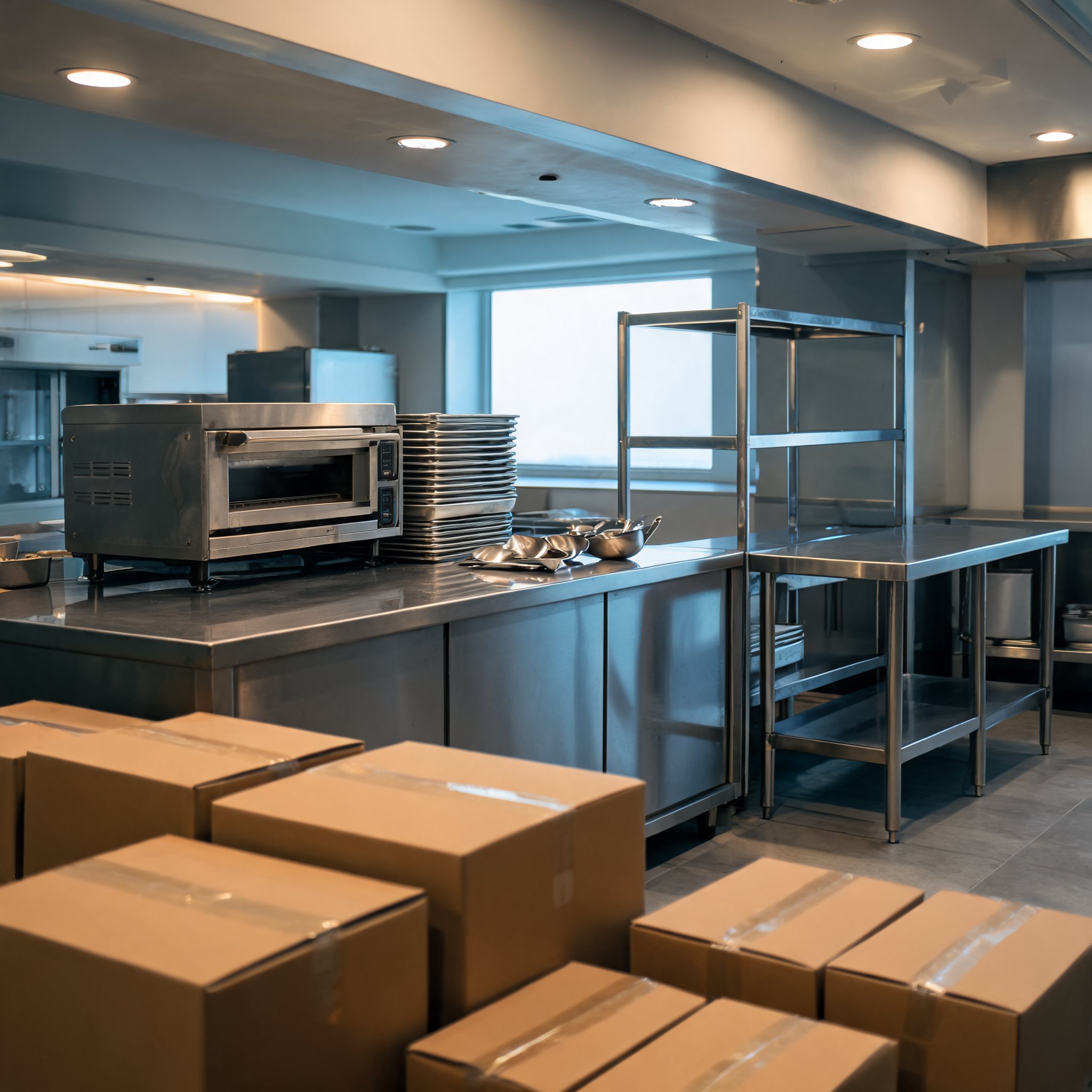
When a restaurant chain adds a new menu item, the equipment needed to produce it must be in place across locations. Bryan Musgrove, divisional senior director on national accounts for TriMark USA, has worked on many equipment rollouts to support new menu items and shared practices aimed at making them smoother.
The first step is a rollout playbook tailored to each site. Musgrove described a brand that needed new toasters to add toasted sandwiches to a breakfast lineup already built around biscuits and wraps. The requirements varied by location: some had electrical capacity already maxed out, while small mall or urban units lacked counter space for a toaster. In those cases, the operator had to create room by adding shelving or another table, which in turn affected workflow. A playbook can sort locations into those that are plug-and-play and those that need extra support.
Schedule from manufacturer lead time
Musgrove also recommends building the schedule around the manufacturer's lead time rather than assuming an order will arrive all at once. A manufacturer might be able to produce 200 units, but the timing depends on output: at 10 units a week, that would take 20 weeks. In another scenario, the manufacturer might have inventory for the first 50 units, then need to order parts from overseas, adding eight weeks before completing the remainder.
When a menu item is tied to a marketing campaign for a particular season or occasion, the operator should work backward from the desired launch date. That makes it possible to set a timeline that reflects production and delivery constraints rather than one that collapses under them.
Consolidate packaging for easier deliveries
Packaging is another part of the rollout that can be adjusted. Instead of sending smaller wares directly to each location in their original boxes, Musgrove suggests asking the dealer to consolidate and repackage items into one package per location. TriMark worked with a brand adding macaroni and cheese to its sides lineup. The addition required visual holding cabinets, pans and serving scoops in varying sizes. The items were combined into one package per location, with instructional materials and exterior labeling so managers knew what they were receiving on arrival.
Those steps address different parts of the same rollout: deciding which locations need more support, scheduling from production realities and simplifying deliveries. Executed together, they can reduce friction once equipment reaches the store. The goal is a smoother launch and, if the plan holds, a new menu item that can generate attention and traffic.