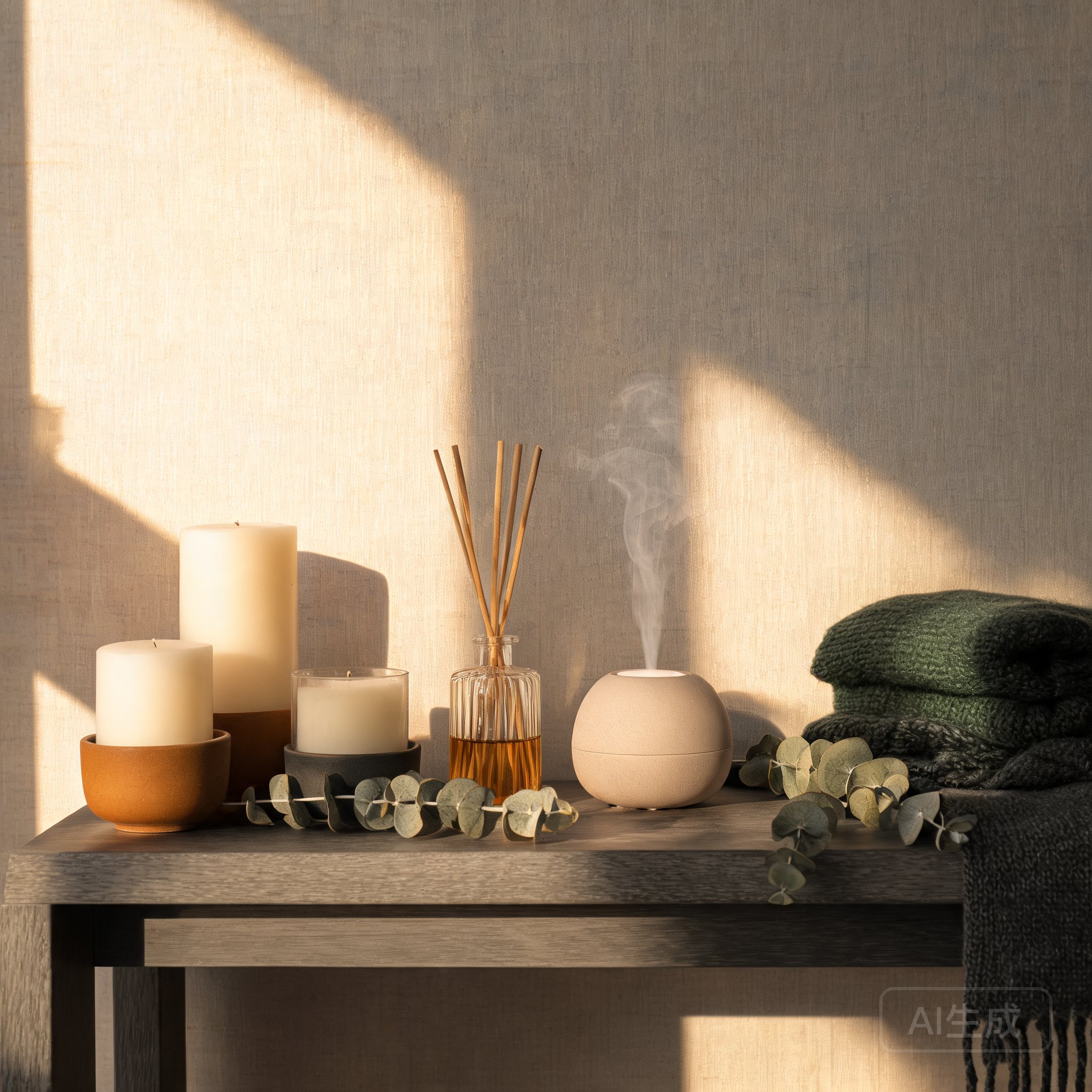
When the weather cools, the scent profile of a home tends to shift with it. Citrus and bright summer notes give way to warmer, woodier alternatives that match the natural transition of the season. The range now includes seasonal options from Diptyque, Voluspa, Jo Malone and NEOM, spanning smoky spices, fruitier notes and more unexpected choices—tomato among them. The question is not simply which scent to buy, but which scenting method fits the room, the household and the way the fragrance is meant to be used.
Why Scent Choice Deserves Deliberation
Home fragrance does more than freshen a room for guests. The chosen scent can influence mood and wellbeing—helping with focus during an afternoon energy dip or supporting unwinding before bed. It functions as a quiet mood-setter that can soothe, energize, welcome or relax. A well-chosen fragrance therefore does more than mask odors; it sets the tone of a living space, and a signature scent can reflect personality while bringing instant character to a home. Whether the format is a candle, an essential oil diffuser or a reed diffuser, the right choice can add dimension to rooms and even help create an inspiring workspace at home.
The Main Formats and How They Differ
Candles remain the classic option because they combine visual ambience with scent. A candle typically consists of a decorative vessel, wax and a wick. Wax can be made from a number of materials, but soy, coconut and beeswax candles tend to burn longer and cleaner than those made with paraffin wax. Candles are easy to start and stop, effective for scenting a room quickly, and well suited to bedrooms, bathrooms and living areas. They are available across a wide range of fragrances—from florals to woody notes and classic fall and winter scents such as berry, cinnamon and pine—and at many price points. The main caveat is fire safety: candles should be extinguished before sleep.
Reed diffusers suit those who prefer to scent a home without flames and want a low-maintenance option. They release fragrance oils slowly through porous reeds and can last for weeks or even months, making them useful for fragrance layering in hallways and entryways. They should sit on a firm surface to prevent the vessel from tipping, and they should be kept away from pets.
Electronic oil diffusers are often the most expensive option, but they can last for years and use ultrasonic waves to disperse fine mists of natural oils into the air. They are common in aromatherapy and wellness settings and allow customization of both scent and strength—lavender for relaxation or eucalyptus for clarity, for example. Because output can be adjusted, they can work well for people who are sensitive to fragrance. Many models include timers and automatic switch-off settings.
Room sprays offer the quickest solution. They freshen a space instantly but do not linger long in the air. They are best used after cooking, before guests arrive, or whenever a burst of fragrance is wanted without commitment, and they can also be made at home.
Candles Across the Home
Among candle options, a warming, spicy scent with orange, spices and clove notes reads as Christmas in a candle—aromatic and inviting for November and December. Every candle from that French brand burned cleanly and evenly without tunnelling in testing.
A candle with bergamot, mint, rosemary and tomato leaf notes, made from a coconut wax blend, captures the smell of tomato vine—a fresh, nostalgic, comforting scent that works year-round. It is designed to eliminate kitchen odors and is vegan and cruelty-free.
For a fresher alternative to sweet fall and winter scents, a candle with apple blossom, orchard fruit and redcurrant notes, made from a rapeseed wax blend, relies on a sustainably farmed, non-GMO Swedish rapeseed wax blend and a cotton wick. It has become a household staple in testing.
Reed Diffusers for Continuous Scent
Reed diffusers require minimal effort and provide continuous fragrance without flames or electricity, which makes them practical for busy households. A subtly sweet option with amber, sandalwood, cedar and vanilla notes is honeyed, woody and rich without being overpowering; despite its compact size it fills smaller spaces, and it is vegan and budget-friendly. A diffuser with wood, balms and spice notes comes into its own during fall and winter; its fluted glass vessel is sold separately and can be refilled. For a punchier statement, a pomegranate and guaiacwood diffuser is a classic bestseller, and one tested example lasted over a year while still smelling impressively strong.
Most reed diffusers last between one and three months, depending on size and room ventilation. Stronger scents can last considerably longer, while gentler choices may fade more quickly. Using fewer reeds extends the life of the diffuser; using more increases the strength of the scent throw.
Essential Oil Diffusers and Starter Oils
Electronic essential oil diffusers use ultrasonic technology to disperse natural oils into the air. One model comes with a bespoke gravure ceramic cover, is designed for scenting large spaces, and offers a glow, adjustable mist intensity and a remote. A compact alternative shows that an effective solution need not be expensive: it is ultra-quiet, has seven color choices, an auto shut-off function and multiple mist modes. A third model has earned over 50,500 five-star reviews and is rated for quality, price and ease of use, with a 500 ml tank capacity that reduces refilling.
For those unsure where to begin, pure and undiluted oils are the ones to look for. Lavender is calming and suited to bedrooms. Citrus notes brighten a space, with orange a particular favorite. Peppermint is festive, energizing and good for workspaces. Eucalyptus is often used in living rooms, entryways and bathrooms, and fresh eucalyptus can also be hung in the shower.
Lower-Impact and Seasonal Considerations
For safer, non-toxic scenting, the guidance is to choose products with natural soy, beeswax or coconut wax; phthalate-free and synthetic fragrance-free oils; and recyclable or biodegradable packaging. Brands such as P.F. Candle Co., Lafco, Skandinavisk and Mrs. Meyers are cited as options for eco-conscious shoppers. Simmer pot recipes are another non-toxic way to customize a home's scent in fall and winter.
Seasonal rotation keeps a home feeling fresh and in tune with nature. Spring calls for bright, fresh florals and herbs; summer for citrus, salt and sun; fall for spices, wood and gourmands; and winter for pine, vanilla and smoke. For those building a seasonal arrangement, a luxury candle set can supply several scent profiles at once.
Safety around pets deserves attention. One writer with four dogs burns candles only when pets are out of the room, opts for natural wax candles without synthetic fragrances, and keeps lit candles out of reach. Some essential oils, such as ylang ylang, can have an adverse effect on animals, particularly cats and dogs, so dilution and checking with a vet are advised.
Scent fatigue can be avoided by switching fragrances regularly and ventilating rooms to reset the sense of smell. As for wellbeing, many oils have aromatherapeutic properties such as relaxation, support for sleep, or help with energy and focus. The appeal of essential oil diffusers is the ability to customize a signature scent and tailor the atmosphere day to day.