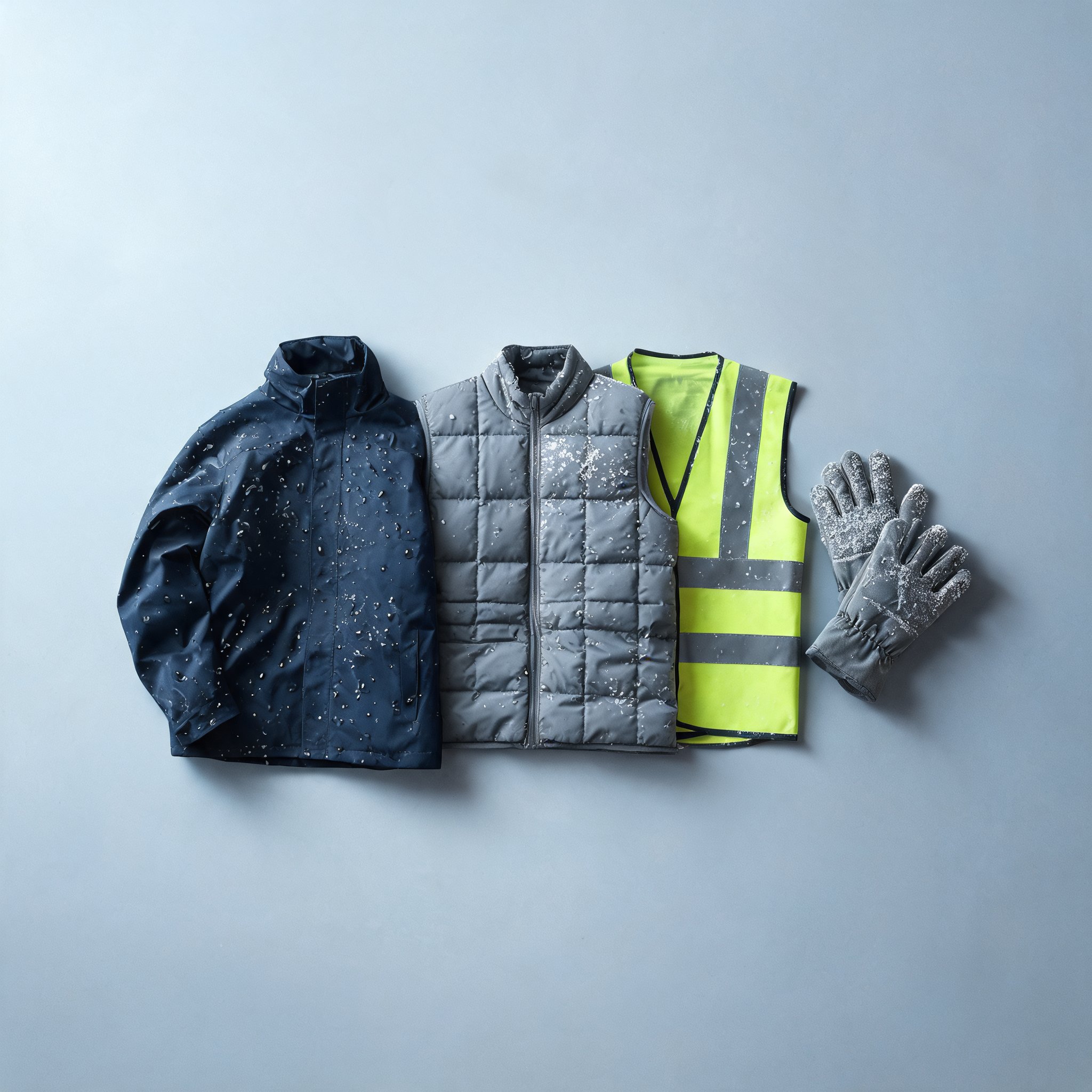
Winter work outdoors can raise risks for employees when personal protective equipment is poorly matched or selected, according to CWS Workwear International GmbH of Dreieich. In a current guide, the workwear supplier sets out five typical protection gaps that it says occur in winter operations.
The company points to the seasonal shift in conditions: shorter days, wetness and frost change the hazard profile at many outdoor workplaces, yet PPE is often left unchanged. According to the guide, the most common weaknesses do not lie in individual garments but in how the layers work together.
Certified pieces, uncertified combinations
CWS Workwear argues that individual items may each carry certification, while the combination actually worn does not meet the requirements of the relevant standards. The interaction between layers, rather than any single component, is where protection can be lost.
Because the guide frames the problem around clothing systems, it directs attention to how garments are selected and combined for cold, wet and dark conditions rather than to any one product. The five gaps it names are presented as recurring patterns in winter PPE use.
The supplier positions its guidance as a practical checklist for employers and wearers reviewing outdoor winter equipment. As summarized, however, the material does not quantify how often such gaps occur or measure their effect on injury rates.